![Pulse Clean Energy [Upper Boat BESS]](http://images.squarespace-cdn.com/content/v1/68e7c9badd737144b272c217/bd17ebd3-a61c-4ae1-9b72-3ac8e174410f/Screenshot+2025-10-09+at+15.49.44.png?format=1500w)
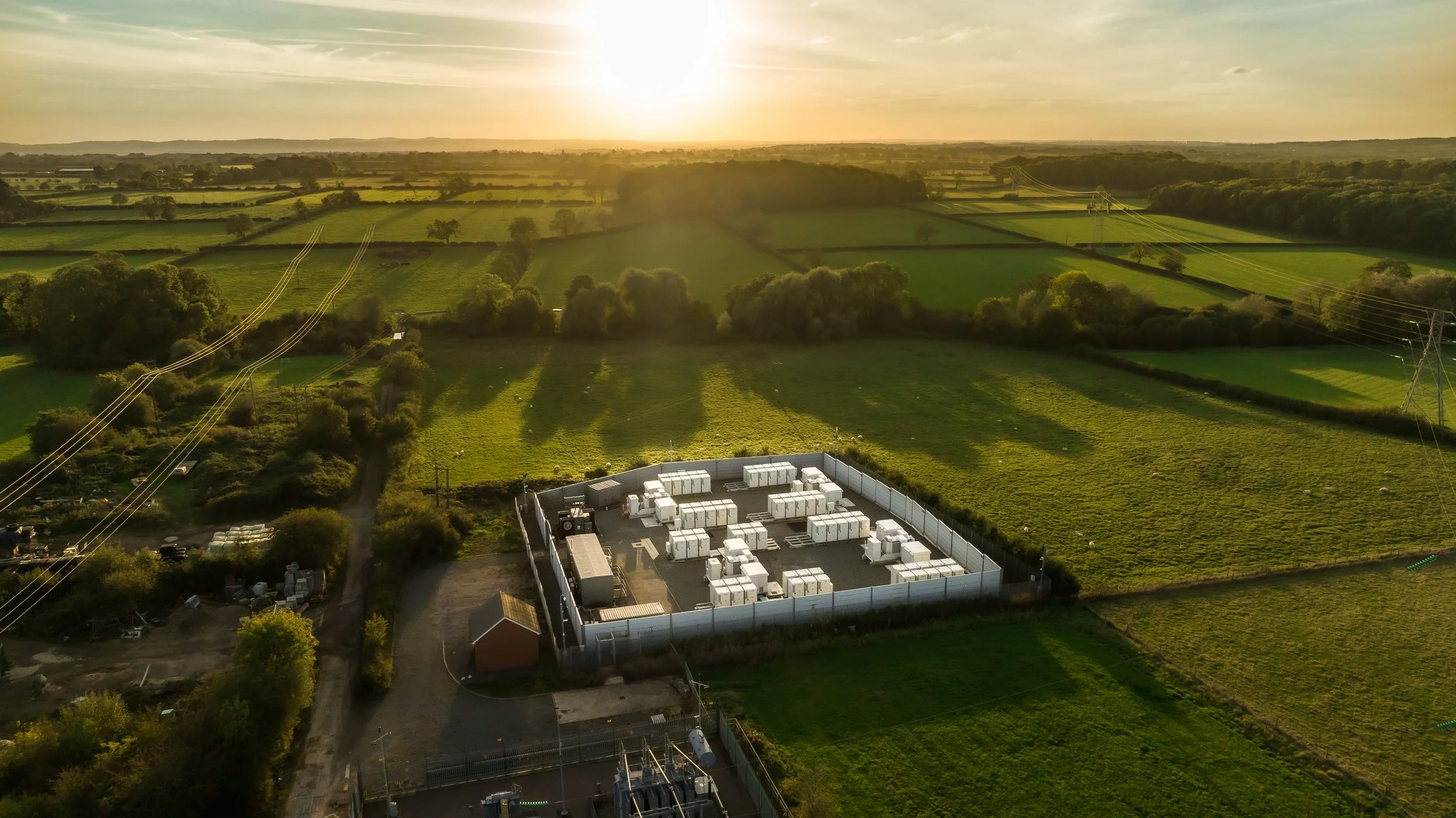
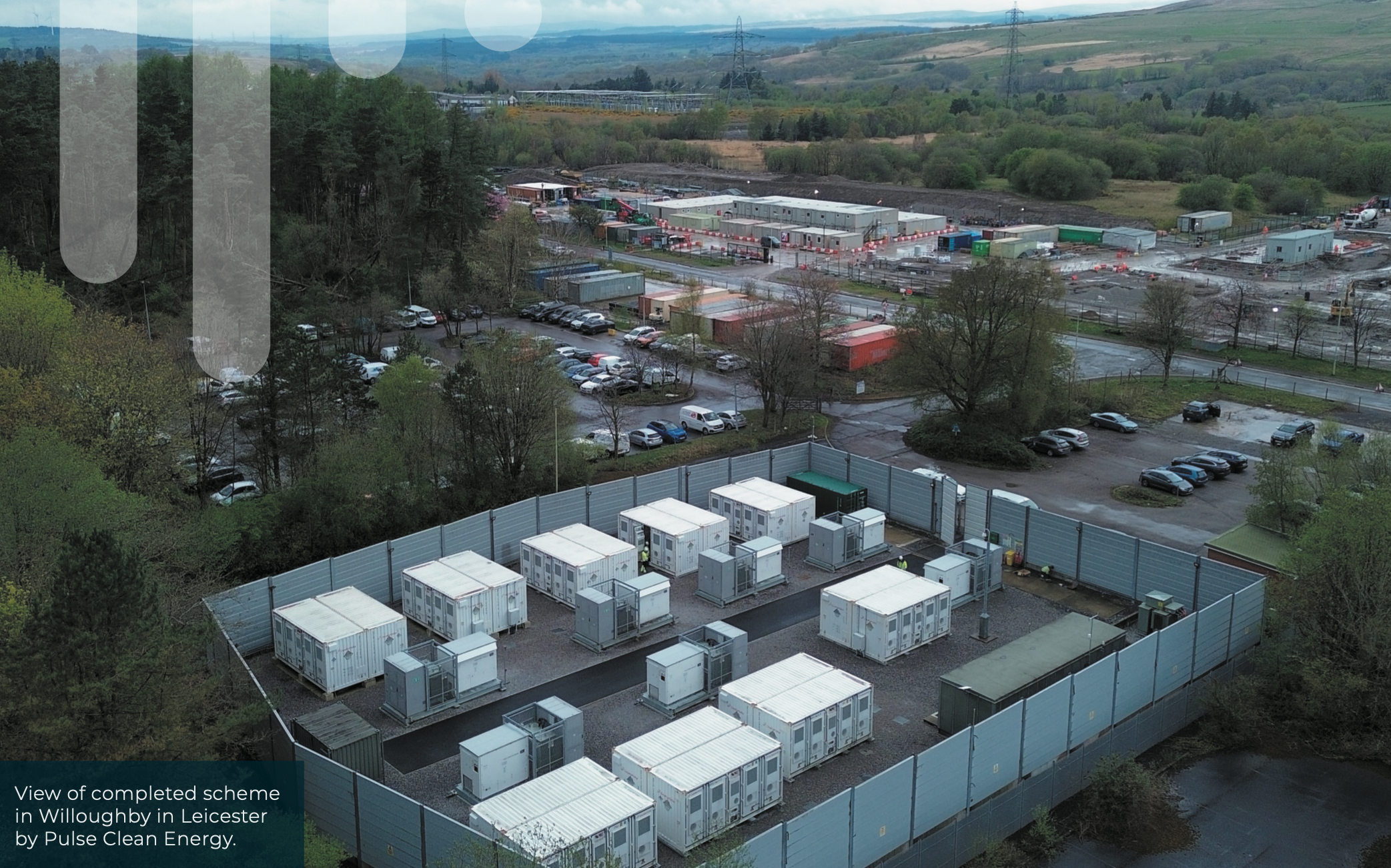
View of completed scheme in Willoughby in Leicester by Pulse Clean Energy.
Pulse Clean Energy
Upper Boat Battery Energy Storage System
Accelerating Rhondda Cynon Taf’s Transition to Clean and Renewable Energy
What are we proposing?
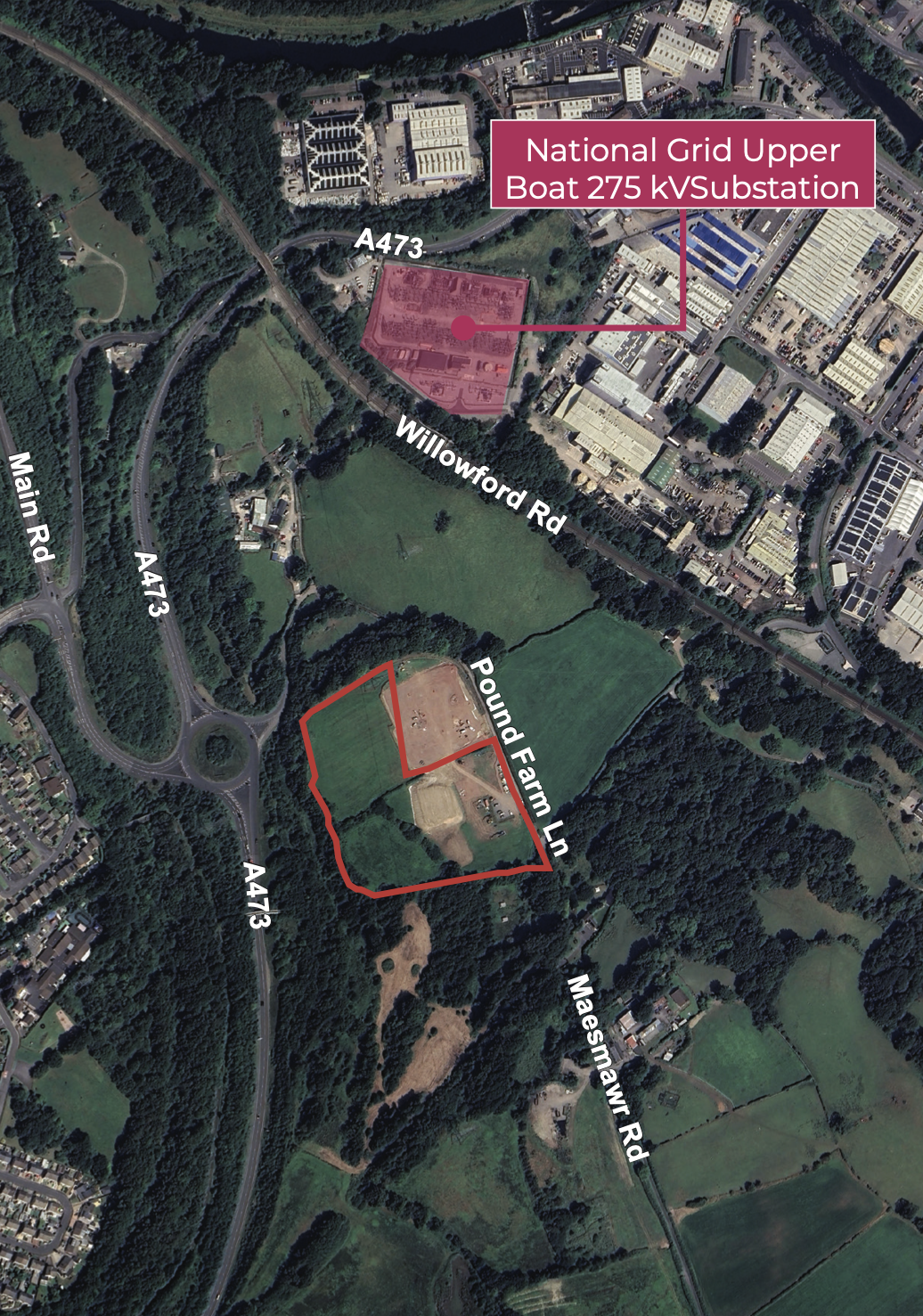
Pulse Clean Energy is preparing a planning application for the development of a Battery Energy Storage System (BESS) at Land off Pound Farm Lane, Ton-teg, Pontypridd, CF37 5SQ.
The site lies within Pontypridd and the wider Rhondda Cynon Taf region, strategically located between major renewable energy generation zones in the Valleys and key demand centres along the M4 corridor. The proposed development will contribute to stabilising the national grid, reducing reliance on fossil fuels, and enhancing local energy security.
The proposal seeks permission for the erection of a Battery Energy Storage System (BESS) comprising an electrical substation and transformers, vehicular access, Sustainable Urban Drainage Systems (SuDS), associated infrastructure and engineering works, as well as landscaping and boundary treatments.
To view draft planning applications, click here.
Site Layout Plan

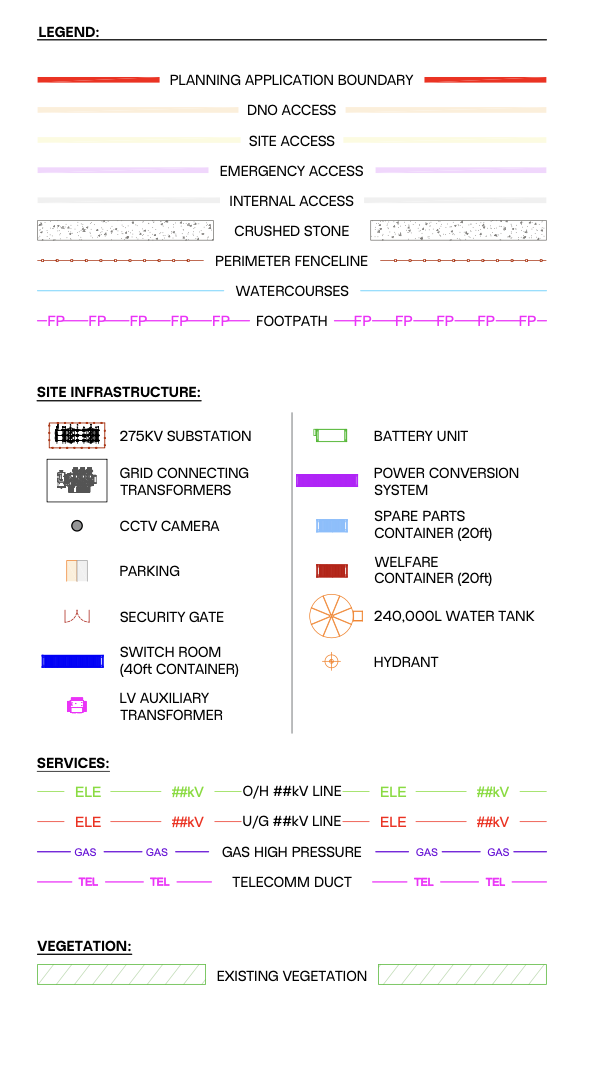
The right location
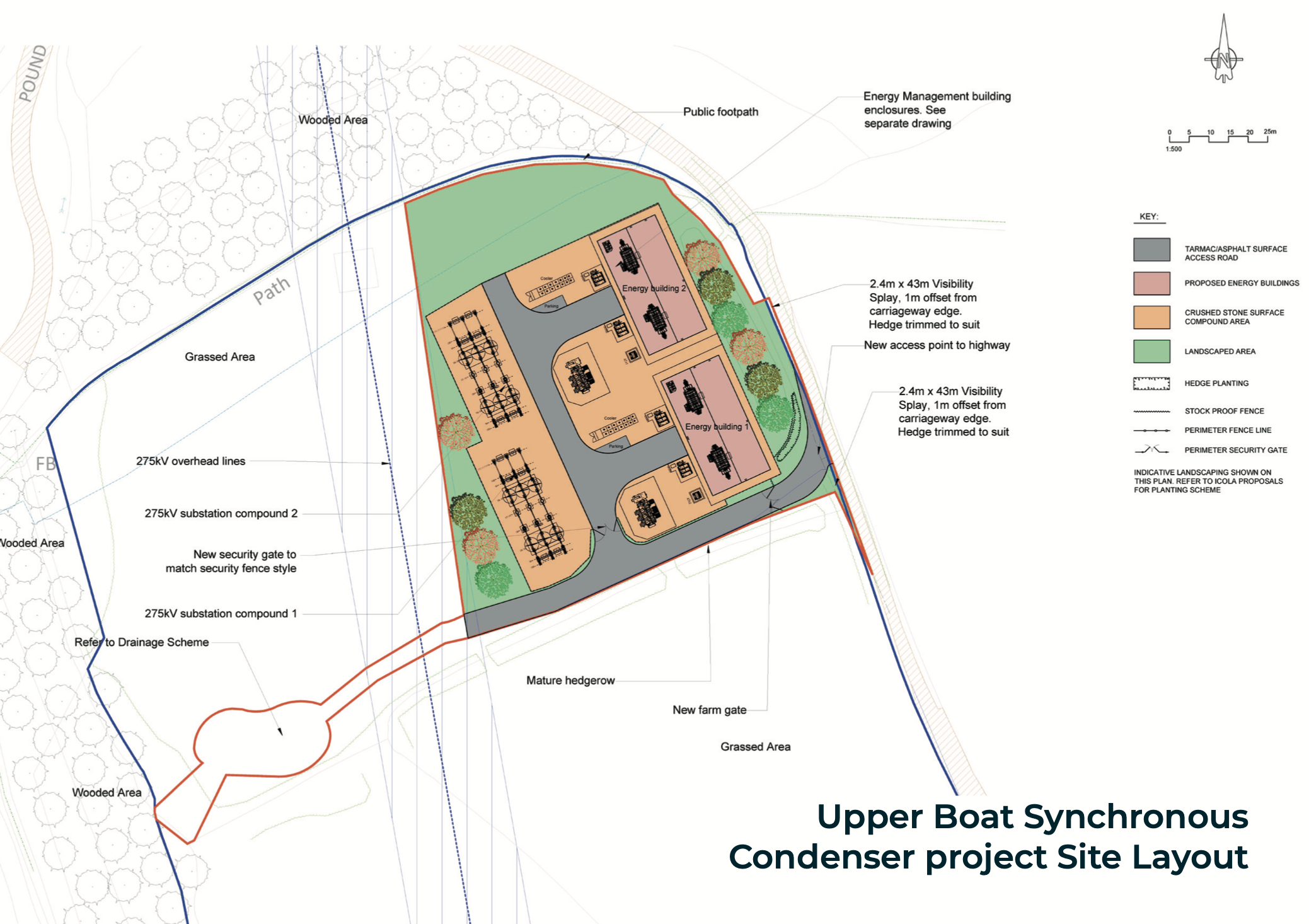
Upper Boat Synchronous Condenser project – consented in 2023 and construction underway
LPA: Rhondda Cynon Taf County Borough Council
Description of development: Erection of synchronous condensers with ancillary infrastructure, and associated works including access and landscaping, for the purpose to supply grid stability to the National Grid as part of their pathfinder 3 initiative.
National Grid identified this need for the grid and tendered for this type of technology to be built in this location and connect to the nearby Upper Boat substation.
The Upper Boat Synchronous Condenser project involves the erection of synchronous condensers which are located in energy buildings along with associated ancillary infrastructure, access, and landscaping works. Synchronous condensers are rotating electrical machines, essentially synchronous motors / generators (without a connected load or prime mover) that provide grid stability by regulating reactive power, boosting short- circuit strength, and offering mechanical inertia.
The original scheme received planning approval in February 2023, Pulse Clean Energy acquired the project, and procured the equipment which resulted in some minor layout amendments, reflecting updated equipment and technology. This was subsequently approved in July 2025. Construction is underway and it is targeted to be operational by mid-2027.
BESS connection already agreed with National Grid
The proposed Upper Boat BESS site has a strong locational rationale. Alongside the consented Upper Boat Synchronous Condenser project, which is currently under construction, there is an agreed 200MW battery connection with the National Grid, further supporting their identified need for renewable technology in this location. Both developments are designed to connect to the nearby Upper Boat Substation, together forming part of an emerging local energy cluster that strengthens grid resilience and supports the transition to cleaner power. By locating Upper Boat BESS adjacent to existing energy infrastructure, the project minimises disruption during construction, particularly by reducing the need for extensive roadworks or new cable routes. Alongside the Upper Boat Synchronous Condenser project, Upper Boat BESS will further contribute to local economic growth through the creation of direct and indirect employment opportunities.
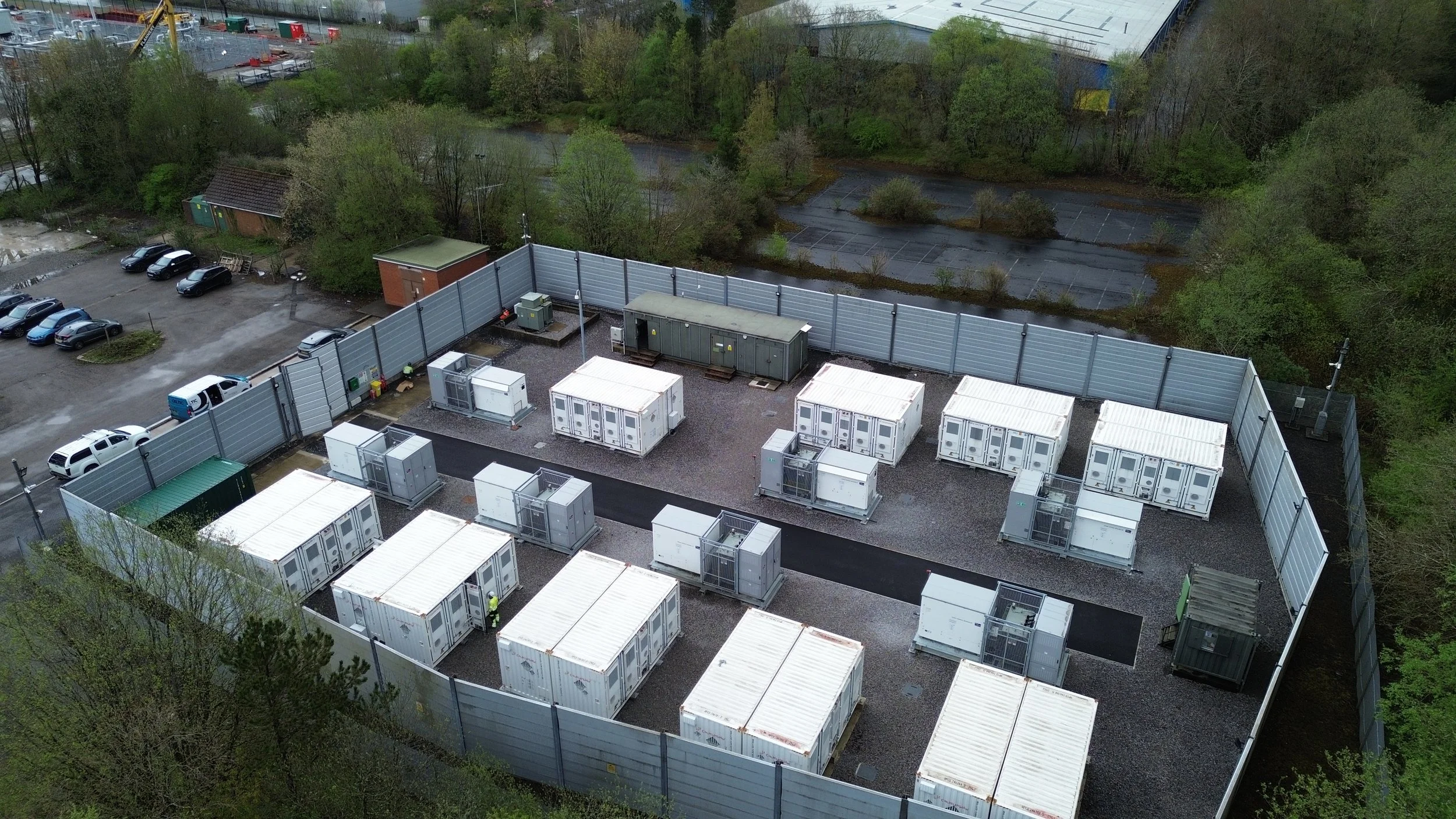
View of completed scheme Hirwaun in South Wales by Pulse Clean Energy.
Who are Pulse Clean Energy?
Pulse Clean Energy is an investor, developer and operator of flexibility and stability assets. Pulse has delivered 175MW of BESS into operation, has 80MW currently under construction in England and has 335MW ready to build.
As a leader in energy storage, Pulse Clean Energy develops innovative solutions to balance, optimise and secure the energy network. Driven by unshakeable ethical and sustainable values, its vision is a secure, clean, lower cost energy network that improves lives for all.

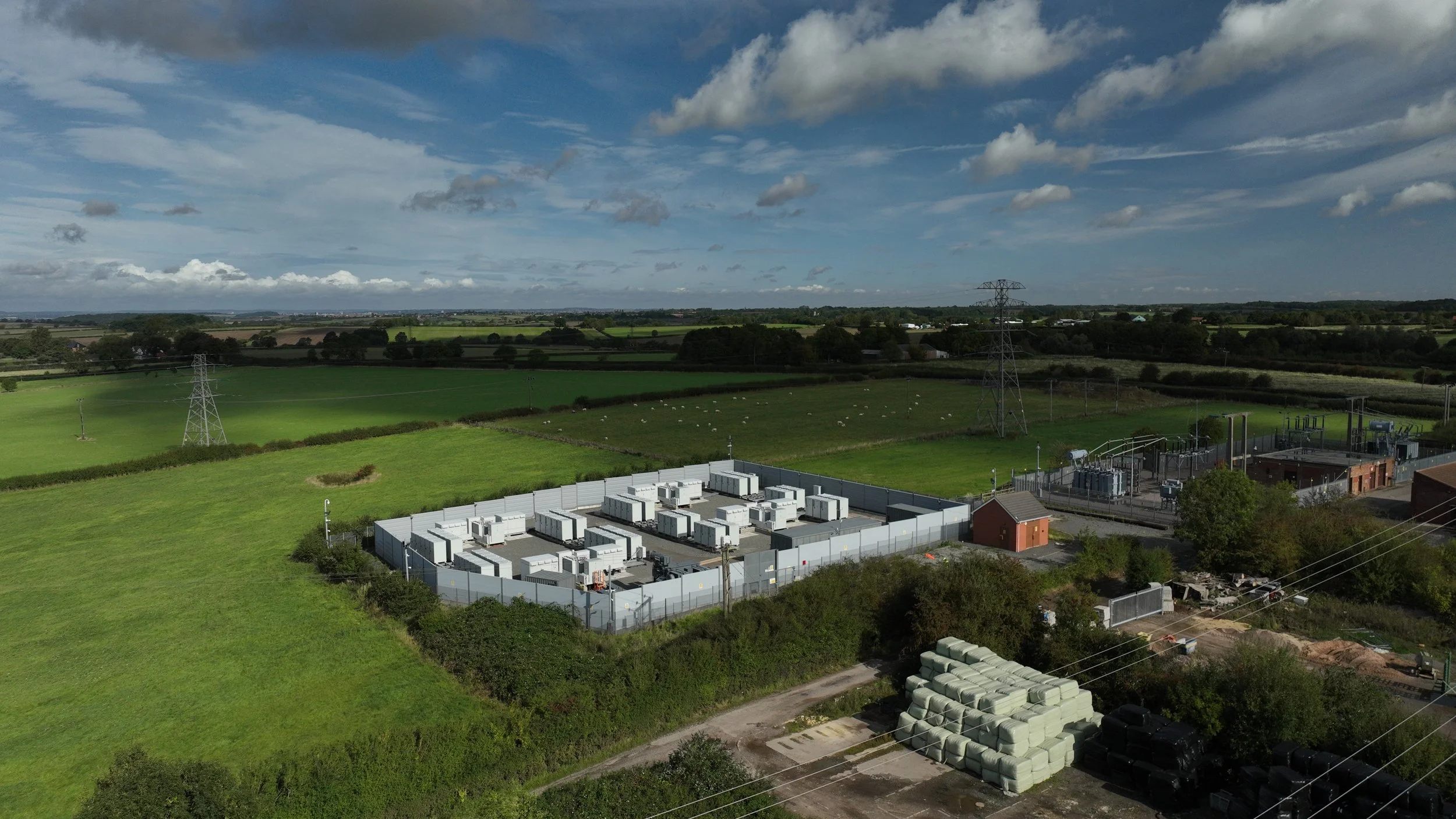
View of completed scheme in Willoughby in Leicester by Pulse Clean Energy.
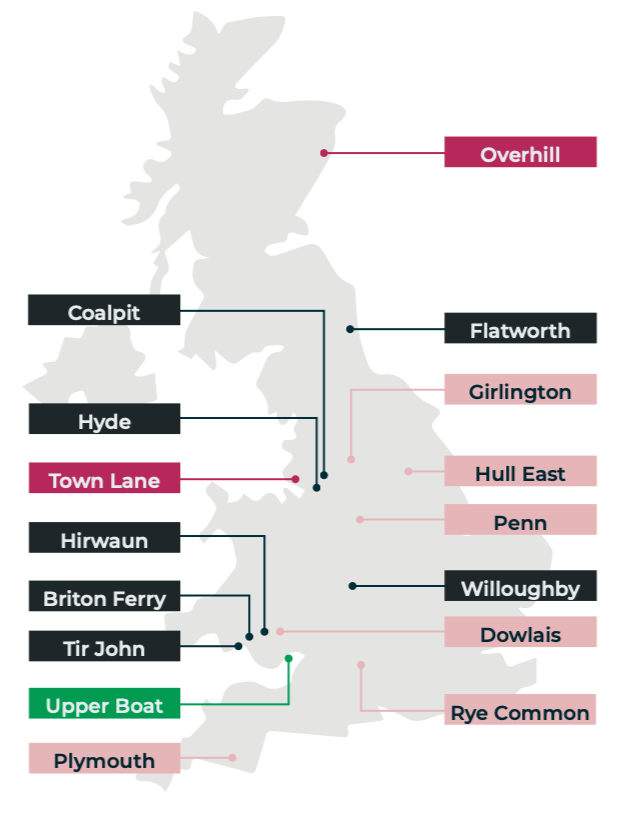
Completed BESS schemes in Wales
Pulse Clean Energy have worked on four previous sites in Wales
Hirwaun
LPA: Rhondda Cynon Taf County Borough Council
Location: Hirwaun Battery Storage Site, Main Avenue, Hirwaun, CF44 9UY
Pulse Clean Energy has transformed the Hirwaun site by replacing 52 diesel generators with new low-carbon Battery Energy Storage System technology within the existing compound. The site was acquired in 2021, with the diesel generators subsequently decommissioned and the approved BESS completed in August 2024.
To be started in 2026
Dowlais
LPA: Merthyr Tydfil County Borough Council Location: Pengarnddu Industrial Estate,
Dowlais, Merthyr Tydfil, CF48 2TA
Pulse Clean Energy is transforming the Dowlais site by replacing 52 diesel generators with new low-carbon Battery Energy Storage System (BESS) technology. The site, acquired in 2021, saw the cessation of diesel generation in April 2025, with the replacement with construction of the BESS scheduled for 2026.
Tir John
LPA: City and County of Swansea
Location: Tir John North Road, Port Tennant,
Swansea, SA1 8NS
At Tir John, Pulse Clean Energy has transformed a former diesel generator site into a modern battery storage facility. The site was bought in 2021 and, after upgrading the equipment within the existing compound, became fully operational in 2023.
Briton Ferry
LPA: Neath Port Talbot County Borough Council
Location: Brunel Way, Baglan Energy Park, Neath, SA11 2GG
The Briton Ferry project replaces existing diesel-powered generators with battery technology. Acquired by Pulse Clean Energy in 2021, the site was redeveloped and became operational in 2023.
These Pulse Clean Energy projects drive the UK’s clean energy transition by transforming former diesel sites into low-carbon battery storage facilities, strengthening grid flexibility, enabling renewable integration, and accelerating progress toward a net zero energy future.
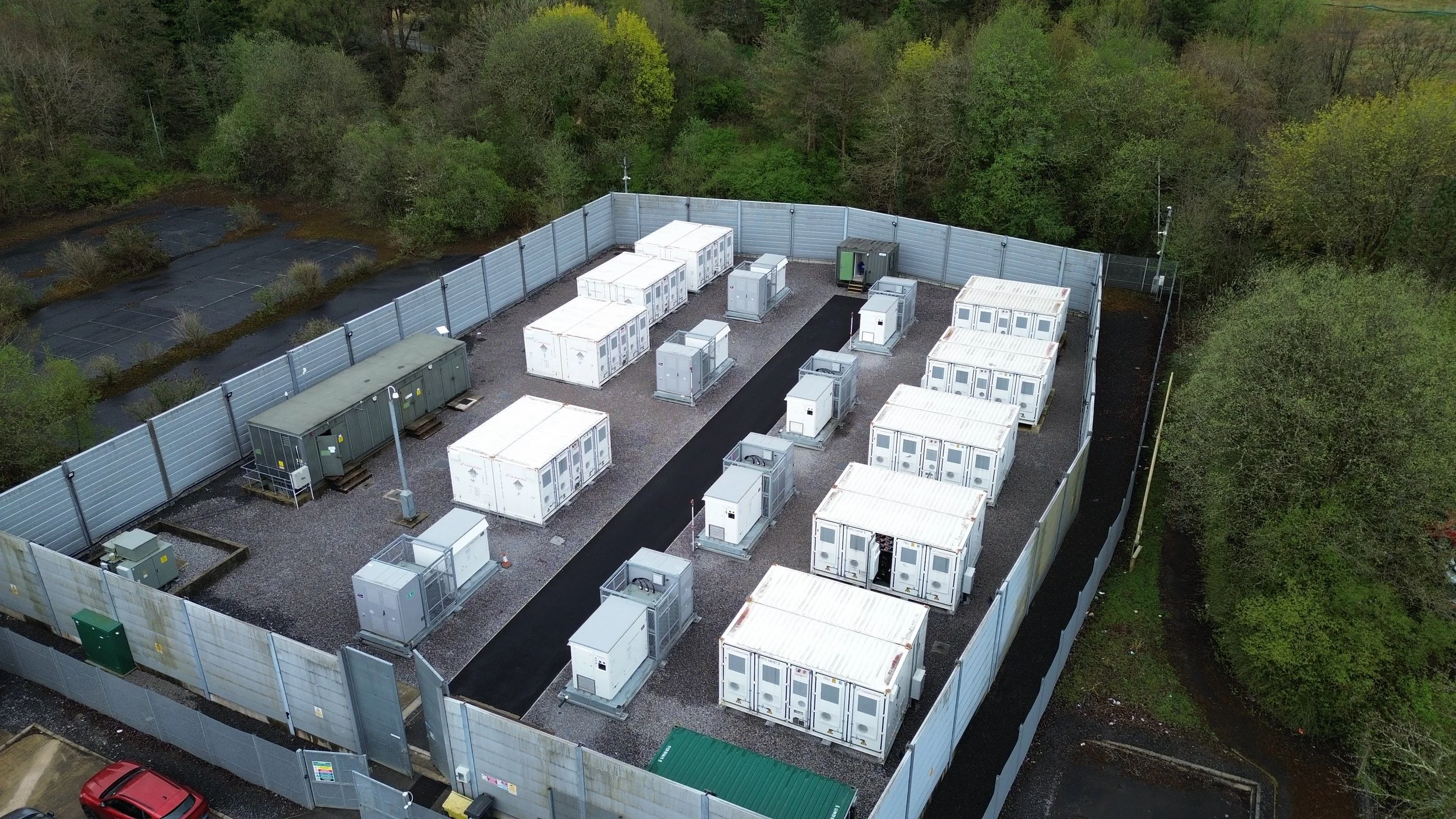
View of completed scheme Hirwuan in South Wales by Pulse Clean Energy.
Why do we need BESS?
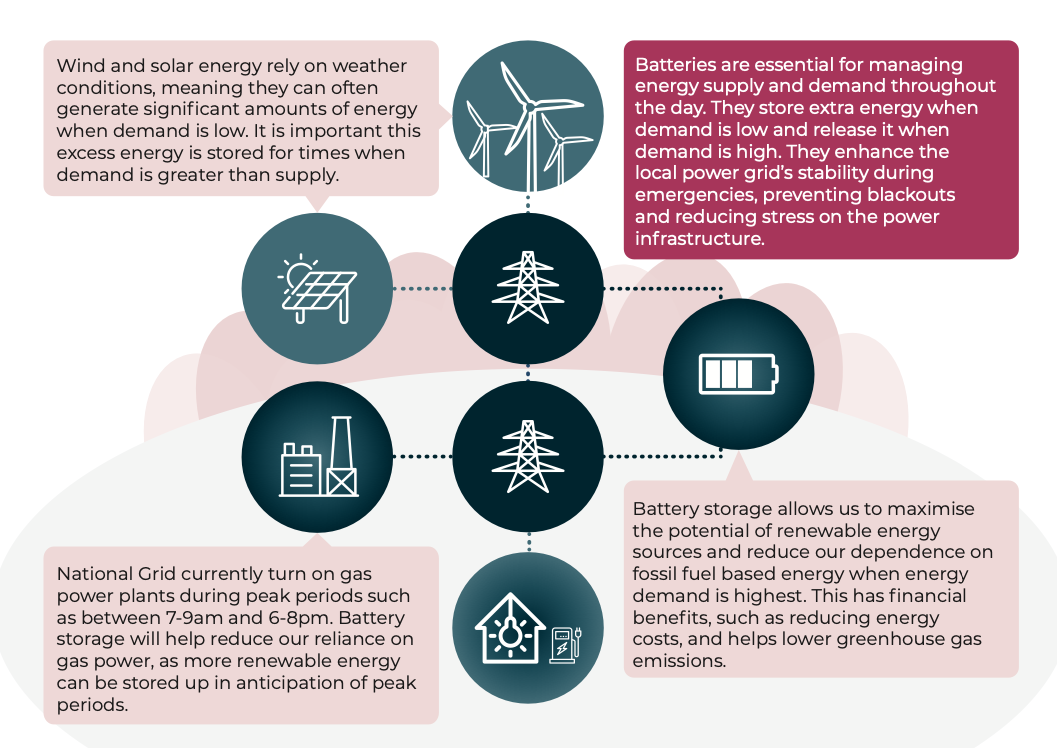
As the world faces increasing pressure to reduce reliance on fossil fuels and combat climate change, battery energy storage solutions (BESS) provide the answer to one of the biggest challenges of renewable energy: its intermittency. These solutions help balance the grid when weather dependent generation such as wind and solar either exceeds or falls short of electricity demand. As renewable energy continues to surge, the ability of
BESS to shift power to where and when it’s most needed will become even more crucial to maintaining grid stability and lowering consumer costs.
By expanding BESS capacity, we can take advantage of home-grown renewable energy, reduce fossil dependence, avoid expensive energy imports, and ultimately protect consumers and businesses from increasing energy prices – the benefits are mutually reinforcing.
To demonstrate these benefits with clarity and precision, we launched the UK BESS Carbon Emissions Calculator in partnership with LCP Delta and the National Wealth Fund. The open-source tool uses real-time data from Elexon and is designed to help users better understand the positive environmental impact of BESS developments.
View of completed scheme Hirwuan in South Wales by Pulse Clean Energy.
The benefits
It will assist Rhondda Cynon Taf County Borough Council in reducing greenhouse gas emissions in line with local and national targets in response to the Climate Emergency.
It will contribute towards the security and stabilisation of the energy supply in South Wales through the provision of local battery storage.
Introducing Battery Energy Storage into the energy mix allows the electricity network to “balance” generation against demand, supporting the UK’s urgent need for energy security and energy independence.
The Battery Energy Storage would support the UK’s transition to a low carbon future and contribute towards hitting its target
of achieving a zero-carbon electricity system by 2035.It would support the National Grid to provide for the use of renewable energy to power our homes and businesses when there’s minimal wind and no daylight.
It will provide flexibility through rapid charge or discharge of electricity to allow the National Grid to regulate electricity supply and demand, whilst minimising greenhouse gas emissions.
• This is a temporary development of circa 40 years. Decommissioning and full restoration of the site at the end of life of the development will be secured via planning condition.
• The proposed Battery Energy Storage will not require Government subsidy.